




Walk into almost any forward-thinking dental practice today, and you’ll likely spot something that wasn’t there ten years ago: a 3D dental printer humming away in the corner of the lab. It’s not there for show. It’s quietly changing how dentists plan treatment, how labs produce restorations, and how quickly patients get the care they need.
If you’ve been hearing the term “digital dentistry” thrown around and wondering what’s actually behind it, the honest answer is this — a huge part of it comes down to 3D printing. This single piece of technology has become one of the biggest turning points in how dental care is delivered, and its influence is only growing.
In this article, we’ll break down what a 3D dental printer actually does, why it matters so much in digital dentistry, and where the technology is likely headed next. Whether you’re a dental professional exploring new equipment or simply a curious patient, this guide will give you a clear, practical picture.
What Exactly Is a 3D Dental Printer?
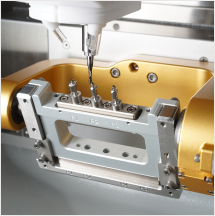
At its core, a 3D dental printer is a machine that builds dental objects — models, aligners, surgical guides, crowns, and more — layer by layer using digital design files. Instead of carving a shape out of a solid block of material (the way milling machines work) or waiting on a manual lab process, the printer constructs the object from the ground up using liquid resin that’s hardened with light.
Most dental printers use one of a few core technologies:
- SLA (Stereolithography): Uses a laser to cure resin point by point, layer by layer.
- DLP (Digital Light Processing): Cures an entire layer at once using a digital light projector, which speeds things up.
- MSLA/LCD Printing: Uses an LCD screen to mask light, offering a cost-effective middle ground between speed and precision.
Each of these methods starts the same way: with a digital scan. A dentist takes an intraoral scan of a patient’s mouth (or scans a physical impression), and that data becomes a 3D file. That file is refined in dental design software and then sent straight to the printer. What used to take a back-and-forth trip to an outside lab can now happen right there in the office.
Why Digital Dentistry Can’t Work Without 3D Printing Technology
Digital dentistry is often described as having three main components: digital scanning, computer-aided design (CAD), and manufacturing. Dental CAD/CAM dental systems have been around for a while, letting dentists design a restoration on a screen. But designing something digitally is only half the job — you still need a way to turn that design into a real, physical object a patient can use.
That’s exactly the gap 3D dental printing technology fills. It’s the “manufacturing” piece of the CAD/CAM equation, and it’s what allows an entirely digital workflow to exist from start to finish — scan, design, print, deliver — often within a single appointment.
Without this step, digital dentistry would just be a nice-looking plan on a monitor. With it, that plan becomes a surgical guide sitting on the operatory tray or a set of aligners ready for a patient to take home.
Where 3D Printed Dental Models and Devices Are Used
Diagnostic and Surgical Models
Before treatment even begins, many dentists print physical models straight from a patient’s scan data. These 3D printed dental models give a tactile, accurate reference that’s especially useful in complex implant cases, orthodontic planning, or when a dentist wants to walk a patient through their treatment options using something they can hold and see, not just a picture on a screen.
Clear Aligners and Orthodontic Appliances
Clear aligner treatment relies on a series of trays, each one nudging the teeth slightly closer to their final position. Producing dozens of these models by hand would be painfully slow. With a dental printer, labs can churn out highly accurate aligner models — and increasingly, printable retainers and aligners themselves — in a fraction of the time it used to take.
Surgical Guides for Implants
This is one of the quieter but more important uses of the technology. A 3D-printed surgical guide fits over the patient’s existing teeth or gum tissue and directs the dentist’s drill to the exact spot, angle, and depth planned out in advance. It takes a lot of the guesswork out of implant placement, which can mean fewer complications and a smoother recovery for the patient.
Provisional Crowns, Bridges, and Dentures
Milling is still the go-to method for many final restorations, but printing has become extremely popular for provisional (temporary) crowns and bridges. Newer biocompatible resins are also making 3D-printed dentures and denture bases a genuinely viable option, not just a stopgap.
Night Guards, Splints, and Retainers
Occlusal guards and bite splints can now be designed and printed directly from a digital scan. No goopy impression material, no waiting on a lab — just a scan, a design file, and a print job.
The Real Benefits of a 3D Dental Printer in Practice
It’s easy to list features, but what does this actually mean day-to-day for a dental office or a patient sitting in the chair? A few things stand out:
- Faster turnaround. Many offices can produce a model, guide, or appliance in under an hour instead of waiting days for an outside lab.
- Better accuracy. Digital design paired with precise printing cuts down on the small errors that used to creep into manual fabrication.
- Fewer redo visits. Because the fit tends to be more accurate the first time, patients spend less time coming back for adjustments.
- A smoother patient experience. No more biting down on trays of impression material for minutes at a time — just a quick digital scan.
- Long-term cost savings. The initial investment in a printer and software isn’t small, but many practices see it pay off through reduced outsourced lab fees over time.
What to Keep in Mind Before Adopting the Technology
3D printing in dentistry isn’t a magic fix, and it’s worth going in with realistic expectations. Material science is still catching up in some areas — not every printable resin is quite as durable as milled ceramic or metal for long-term, permanent restorations. Staff also need proper training to manage the design software, calibrate the printer, and handle post-processing steps like washing and light-curing the printed piece.
There’s also the upfront cost to consider. A quality dental printer, the software that goes with it, and staff training represent a real investment. At Axsys Dental Solutions, we’ve seen most practices weigh that cost against how much time and money they’ll save by reducing their dependence on outside labs — and for many, the math works out in their favor within a year or two.
Where This Technology Is Headed
The direction is pretty clear: faster print speeds, a wider variety of biocompatible materials, and tighter integration with software that can help design a crown or plan an aligner sequence with less manual input from the technician. It’s likely that more permanent restorations, not just temporary ones, will eventually be produced through printing rather than traditional milling or casting.
For patients, that means treatment that keeps getting faster and more precise. For dental professionals, it means staying current with a technology that’s steadily becoming a standard part of the toolkit rather than an optional upgrade.
Final Thoughts
A 3D dental printer isn’t just a piece of lab equipment anymore — it’s become one of the backbones of modern digital dentistry. By connecting a digital scan directly to a finished, patient-specific product, it’s shortened treatment timelines, improved the fit of dental appliances, and made the whole experience smoother for both dentists and patients.
If you’re a dental practice considering the move to digital workflows, or a patient curious about how your next dental appointment might involve a printer instead of a mold, this is a trend worth paying attention to. It’s not replacing the dentist — it’s giving them better tools to do the job well.
Looking for guidance on digital dentistry solutions for your practice? The team at Axsys Dental Solutions can help you find the right equipment and workflow for your needs. Give us a call at 855-687-7941 or visit us to learn more.