



The highly competitive dental environment continues to see the emergence of digital technologies that change the way clinicians diagnose, plan, design, and restore teeth. One of the most important advantages of adopting a connected digital workflow is the potential to reduce costly remakes while improving efficiency and patient satisfaction.
Digital impression systems and restoration-design technologies allow dental professionals to improve precision, communicate more clearly with laboratories, and create more predictable clinical outcomes. Whether you manage a single-office dental clinic or a practice with several locations, introducing digital dental solutions can improve consistency while saving time and resources.
What a Connected Digital Dental Workflow Includes
Digital dental workflows combine hardware, software, and connected technologies used to improve diagnosis, treatment planning, restoration design, manufacturing, and communication.
Unlike traditional workflows that depend on physical impressions and several manual fabrication stages, digital workflows use highly accurate scans and computer-aided design and manufacturing. These technologies allow dentists and laboratories to create detailed digital models that reduce variability and improve communication among practices, laboratories, and milling centers.
The main components of modern digital dental workflows may include:
- Digital impression systems
- Intraoral scanners
- Dental CAD software
- CAM manufacturing systems
- Digital treatment-planning software
- 3D imaging technologies
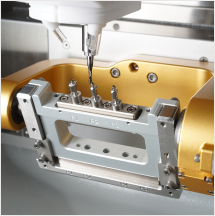
- Dental milling systems
- Digital shade matching
- Cloud-based case management
- Laboratory communication platforms
Together, these technologies form an integrated workflow designed to improve efficiency, reduce manual transfers, and minimize avoidable errors.
Why a Restoration Remake Costs More Than a Replacement
A dental remake involves much more than replacing a restoration. It can affect the schedule, laboratory capacity, material use, team productivity, and the patient’s confidence in the treatment process.
A remake may lead to:
- Additional chair time
- Increased laboratory expenses
- Delayed treatment completion
- Scheduling difficulties
- Lost productivity
- Patient frustration
- Higher operating costs
Even a small inaccuracy during impression taking, restoration design, or case communication can result in a crown, bridge, veneer, or implant restoration that requires correction or complete replacement.
Traditional impression materials may be affected by distortion, air bubbles, tears, improper tray seating, patient movement, or dimensional changes. Each of these variables can contribute to inaccurate restorations. Digital workflows reduce many of these risks by allowing clinicians to review the scan before the case moves to the next production stage.
Practices looking to improve consistency can begin by evaluating how digital scanning, case review, and laboratory submission are handled. The digital impression systems available through Axsys Dental Solutions can support a more reliable starting point for restorative cases.
How Digital Workflows Improve Restoration Precision
Improved restoration precision is one of the most common reasons practices introduce digital dental workflows. By replacing several manual stages with connected digital processes, clinicians can reduce opportunities for distortion, transcription errors, and inconsistent case information.
Instead of relying on physical impressions alone, digital impression systems capture detailed three-dimensional images of the patient’s oral structures. These files can be reviewed immediately and transferred directly to a laboratory or milling center without the risks associated with physical shipping and handling.
More Accurate Information Collection
High-resolution intraoral scanners can provide detailed information that supports more accurate restoration design and manufacturing. Potential advantages include:
- Clearer margin visualization
- Detailed occlusal surfaces
- More accurate interproximal contacts
- Improved bite registration
- More precise implant positioning information
- Consistent digital case data
Better information at the beginning of the workflow can help reduce adjustments at delivery, but digital technology still depends on proper preparation, scanning technique, case review, and communication.
Why Digital Impressions Matter in Remake Prevention
Among the technologies introduced into restorative dentistry, digital impression systems have become one of the most important tools for reducing preventable remakes.
Traditional impression materials may shrink, expand, tear, or distort before reaching the laboratory. A digital impression creates an electronic representation of the oral structures almost immediately, allowing the clinician to inspect the data before submitting the case.
Advantages of digital impression systems include:
- Faster scanning procedures
- Improved patient comfort
- Elimination of messy impression materials
- Immediate image review
- Targeted re-scanning of incomplete areas
- Faster laboratory communication
- Digital case storage
- Greater workflow efficiency
The ability to review impression quality immediately is especially valuable. Missing margins, incomplete preparations, scan gaps, and bite-registration problems can often be identified before the case is sent to the laboratory.
A digital scanner should not be treated as a standalone device. The greatest benefits appear when scanning, design, manufacturing, communication, and team training are managed as parts of one connected workflow.
How Axsys Dental Solutions Supports Digital Workflow Integration
Axsys Dental Solutions provides modern digital technologies for dental professionals who want to improve workflow efficiency, restoration precision, and communication with laboratories.
Its digital technologies help practices and laboratories integrate scanning, CAD/CAM design, and digital manufacturing into daily operations. Whether a practice is upgrading an existing workflow or building a new digital environment, long-term success depends on system compatibility, training, implementation, and reliable support.
Core Capabilities of an Integrated Digital Workflow
Modern digital dental solutions may include capabilities that support more efficient and consistent restorative workflows:
- High-resolution digital scanning
- Faster digital impression capture
- CAD/CAM integration
- Cloud-based case sharing
- Digital treatment planning
- Laboratory collaboration tools
- Restoration simulation
- Case archiving
- Improved restoration-design precision
- Manufacturing compatibility
The value of these capabilities depends on how well they work together. Disconnected software, inconsistent file formats, limited training, or unclear submission protocols can reduce the benefits of digitization.
Practices and laboratories evaluating design technology can also review Axsys Dental Solutions’ dental CAD software options to better understand how digital restoration design fits into a connected workflow.
Benefits Beyond Reducing Remakes
Reducing remakes is only one benefit of incorporating digital technologies. A connected workflow can also improve clinical consistency, case turnaround, patient comfort, team efficiency, and communication.
Improved Clinical Accuracy
Digital workflows capture detailed anatomical information that supports better restoration fit, margins, contacts, occlusion, and esthetics.
Faster Turnaround Times
Digital files can be transferred immediately to laboratories or milling centers, eliminating shipping delays and allowing case review to begin sooner.
Improved Patient Experience
Many patients appreciate faster appointments and avoiding traditional impression trays and materials. Fewer adjustments and repeat visits can also improve the overall treatment experience.
Greater Practice Efficiency
Dental teams spend less time repeating procedures, managing physical impressions, arranging shipments, and correcting avoidable case errors.
Stronger Communication
Digital case files give clinicians and laboratory technicians access to detailed visual information. Technicians can zoom, rotate, measure, and evaluate digital models more easily than many traditional stone casts.
Lower Long-Term Operating Costs
Digitization requires an initial investment, but fewer remakes, reduced material waste, shorter appointments, and less shipping may help lower operating expenses over time.
For a deeper look at how connected systems support accuracy, read more about how digital dental technologies can improve restoration accuracy throughout the restorative process.
Why Repeatable Scanning Matters
Digital impression systems have become valuable investments for practices seeking a higher level of consistency. Unlike traditional impressions, which depend heavily on material handling, tray selection, timing, and surrounding conditions, digital scanners can provide more repeatable results when used correctly.
Clinicians can examine scans immediately and correct problems involving incomplete preparations, missing margins, scan gaps, or bite-registration errors. This ability to intervene before submission is one of the strongest advantages of a digital workflow.
Collaboration also becomes easier because technicians can analyze the same digital model received from the practice. Clear submission standards and laboratory feedback can further improve scan quality across future cases.
Restoration Accuracy Across Every Production Stage
Restoration accuracy remains one of the most important goals in restorative dentistry. Each restoration must fit properly while maintaining appropriate contacts, occlusion, margins, function, and esthetic appearance.
Digital dental workflows improve consistency by reducing manual transfers during scanning, design, and manufacturing. The same digital case data can move between connected systems without repeated physical duplication.
Improved accuracy may help reduce:
- Crown adjustments
- Occlusal corrections
- Margin errors
- Patient discomfort
- Restoration failures
- Repeat appointments
More accurate restorations can also strengthen patient confidence and support the reputation of the practice. Still, technology cannot replace proper preparation, isolation, scanning technique, system maintenance, and professional judgment.
Applications of Digital Dental Workflows
Digital dental technologies support a wide range of restorative and diagnostic procedures, including:
- Single-unit crowns
- Bridges
- Veneers
- Inlays
- Onlays
- Implant restorations
- Orthodontic planning
- Digital smile design
- Full-mouth rehabilitation
- Surgical-guide fabrication
As digital technology continues to develop, its applications are expanding across nearly every area of modern dentistry.
Where Digital Workflows Reduce Errors
Errors can occur at several stages during traditional restoration production. Digital dentistry does not eliminate every possible mistake, but it can make many problems easier to identify and correct before they affect the final restoration.
Impression Stage
Traditional methods may introduce:
- Material distortion
- Patient movement
- Air bubbles
- Errors in tray positioning
Digital scanning reduces several of these variables while allowing immediate quality review.
Laboratory Communication
Instead of mailing physical impressions, digital files can be transferred immediately without shipping delays, physical damage, or material deformation.
Restoration Design
CAD programs allow technicians to design restorations with greater consistency while reviewing margins, contacts, contours, and occlusion digitally.
Manufacturing
Digital manufacturing systems can produce restorations under controlled and repeatable production settings, provided the equipment is properly maintained and calibrated.
Delivery Appointment
Well-designed and accurately manufactured restorations often require fewer adjustments at delivery, helping reduce chair time and patient inconvenience.
Common Digital Workflow Mistakes to Avoid
Digital technology improves consistency only when the workflow is implemented carefully. Some practices invest in individual devices without standardizing how cases move from scanning through design and manufacturing.
Common mistakes include:
- Submitting incomplete scans without reviewing margins
- Ignoring bite-registration errors
- Using disconnected or incompatible systems
- Failing to establish consistent laboratory submission protocols
- Providing inadequate team training
- Neglecting scanner and manufacturing-equipment maintenance
- Assuming digital technology automatically eliminates all remakes
- Failing to use laboratory feedback to improve future cases
Standardized procedures are especially important for multi-location practices, where several clinicians or team members may capture and submit cases. Consistent protocols help make case quality less dependent on the individual operator.
Why Choose Axsys Dental Solutions?
Choosing the right digital technology partner is as important as selecting the equipment itself. Practices need systems that work together, fit their restorative goals, and are supported through implementation and training.
Reasons dental professionals work with Axsys Dental Solutions include:
- Modern digital workflow technologies
- Experience with restorative and manufacturing applications
- Products designed to improve restorative efficiency
- Support for digital collaboration
- Consistent workflow integration
- Compatibility with current CAD/CAM systems
- Opportunities for practice and laboratory growth
- Technology focused on precision and consistency
Axsys Dental Solutions supports dental practices, laboratories, and milling centers in evaluating technologies that align with their workflow, production goals, and existing systems.
Building a More Predictable Restorative Workflow
Digital dentistry continues to change restorative care by giving clinicians and laboratories better tools for efficiency, precision, and consistency. Connected digital workflows can reduce remakes, improve restoration accuracy, simplify laboratory communication, and create a better experience for both the dental team and the patient.
Digital impression systems address many of the common limitations associated with traditional materials, while integrated design and manufacturing tools help preserve case information throughout production. The strongest results come from combining the right technology with proper training, standardized protocols, equipment maintenance, and reliable support.
Practices seeking greater productivity, fewer adjustments, and more predictable restorative outcomes can take the next step by reviewing their current workflow from scan capture through final delivery.
To discuss scanning, CAD/CAM integration, manufacturing compatibility, training, or implementation support, contact Axsys Dental Solutions, email in**@*********al.com, or call (855) 687 7941.