




If you’ve spent any time in a modern dental lab or clinic over the past few years, you’ve probably noticed something: the old way of doing things — hand-carving wax patterns, pouring plaster models, waiting days for a crown to come back from an outside lab — is quietly disappearing. In its place is a faster, more predictable process built around digital scanning, CAD design, and precision milling.
At the center of that shift sits one piece of equipment that doesn’t always get the spotlight but does most of the heavy lifting: the dental milling machine.
In this post, we’ll walk through what a dental milling machine actually does, why it’s become the backbone of the digital dental workflow, and what to consider if you’re thinking about bringing one into your own practice or lab.
What Is a Dental Milling Machine?
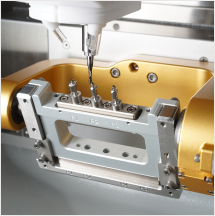
A dental milling machine is a computer-controlled device that carves dental restorations — crowns, bridges, veneers, inlays, onlays, and even full arch frameworks — out of solid blocks of material. Instead of a technician manually shaping wax or wax-up patterns by hand, the machine uses a digital design file to guide rotating cutting tools that shave away material with extremely tight tolerances, often measured in microns.
The material block can be zirconia, lithium disilicate, PMMA, wax, or composite resin, depending on what the final restoration needs to be. The machine follows the design exactly, restoration after restoration, without the natural variation that comes with manual fabrication.
That consistency is really the whole point. It’s not that human technicians aren’t skilled — many are incredibly skilled — but a milling machine removes the guesswork and repeats the same result every single time.
Where Milling Fits Into the Digital Dental Workflow
To understand why dental milling machines matter so much, it helps to see where they sit in the bigger picture. A typical digital dental workflow looks something like this:
- Digital impression or scan — An intraoral scanner captures the patient’s teeth and bite, replacing the old alginate impression trays.
- CAD design — The scan data is imported into CAD software, where a technician or dentist designs the restoration digitally.
- Milling or 3D printing — The design file is sent to a milling machine (or printer), which fabricates the physical restoration.
- Finishing and sintering — Depending on the material, the piece may go through polishing, staining, or sintering in a furnace.
- Delivery to the patient — The finished restoration is fitted and adjusted chairside or sent back to the referring dentist.
Milling is the bridge between the digital design and the physical product. Without a reliable milling machine, everything upstream — the scanning, the CAD software, the careful design work — doesn’t translate into anything you can actually put in a patient’s mouth. This is why so many labs and clinics treat their milling equipment as the single most important investment in going digital.
Key Ways Dental Milling Machines Improve the Workflow
1. Faster Turnaround Times
This is usually the first benefit people notice. A chairside milling machine can produce a same-day crown in under 20 minutes, meaning a patient can walk in, get scanned, and walk out with a finished restoration in a single appointment. Lab-based systems, while not quite as fast, still cut fabrication time down from days to hours compared to traditional casting methods.
For a busy practice, that speed isn’t just a convenience — it directly affects how many patients can be seen and how much revenue moves through the schedule.
2. Higher Precision and Fewer Remakes
Manual fabrication always carries some margin of human error. A milling machine, by contrast, follows the CAD design with sub-millimeter accuracy. That means better marginal fit, more accurate occlusion, and restorations that don’t need to be sent back for adjustment nearly as often.
Fewer remakes means less wasted material, less chair time spent on re-fittings, and happier patients who don’t have to come back for a second visit.
3. Consistency Across Cases
Once a restoration is designed digitally, the milling machine can reproduce it exactly the same way every time — whether it’s the first case of the day or the fiftieth. This consistency is especially valuable for labs handling high case volumes, where quality can otherwise vary from technician to technician.
4. Material Flexibility
Modern dental milling machines aren’t limited to one material. Most can handle zirconia, PMMA, wax, composite, and in some cases even titanium or cobalt-chrome for implant frameworks. That flexibility lets a single machine cover a much wider range of case types than older lab setups that required different equipment or processes for different materials.
5. Reduced Labor Dependency
Skilled dental technicians are in short supply in many regions, and training new ones takes time. A well-integrated milling machine reduces the amount of manual labor needed for each case, letting existing staff focus on design quality, finishing, and patient-specific adjustments rather than repetitive hand-fabrication work.
6. Better Integration with the Rest of the Digital Chain
Today’s milling machines are built to communicate directly with scanners and CAD software through standardized file formats. That means a scan taken chairside can flow almost seamlessly into design software and then straight to the mill, with minimal manual intervention or file conversion. This kind of integration is really what separates a true digital dental workflow from a patchwork of individual digital tools.
Chairside vs. Lab Milling Machines
Not all dental milling machines are built for the same setting, and the difference matters when deciding what fits your practice.
Chairside milling machines are compact, designed for single-visit dentistry, and typically handle smaller restorations like crowns, veneers, and inlays. They’re built for speed and are usually operated by the dentist or a chairside assistant rather than a dedicated technician.
Lab milling machines are larger, often 5-axis systems capable of handling bigger cases — bridges, full-arch frameworks, and implant bars — with a greater range of material options. These are generally used by dental laboratories that batch-process cases from multiple referring dentists.
Some practices use both: a chairside unit for quick same-day cases, and a relationship with a lab that uses larger milling systems for more complex restorations.
What to Look for in a Dental Milling Machine
If you’re evaluating milling equipment for your practice or lab, a few factors tend to matter most:
- Axis count — 4-axis machines handle most standard crowns and bridges well; 5-axis machines offer more flexibility for complex geometries and implant work.
- Wet vs. dry milling — Wet milling (with coolant) is typically used for harder materials like zirconia and PMMA blocks that need lubrication, while dry milling suits softer materials like wax.
- Material compatibility — Make sure the machine supports the range of materials your case mix actually requires.
- Software compatibility — Check that the mill integrates cleanly with your existing scanner and CAD software rather than requiring extra file conversion steps.
- Speed and spindle quality — Spindle speed and tool durability directly affect both turnaround time and surface finish quality.
- Support and maintenance — Milling machines are precision equipment; ongoing calibration, tool replacement, and technical support matter as much as the initial purchase.
Is It Worth the Investment?
For many practices and labs, the upfront cost of a dental milling machine is the biggest hesitation. It’s a legitimate consideration — these are not inexpensive machines, and there’s a learning curve involved in getting the workflow dialed in.
That said, most practices that make the switch find the return comes fairly quickly through reduced outsourcing costs, faster case turnaround, fewer remakes, and the ability to offer same-day restorations, which patients increasingly expect. Labs see similar gains through higher case throughput and more consistent quality across technicians.
The bigger question usually isn’t whether to go digital, but which milling system actually fits your case volume, material needs, and existing digital setup.
Final Thoughts
Dental milling machines aren’t just a nice-to-have upgrade — they’ve become the piece of equipment that makes a true digital dental workflow possible. From same-day crowns to full-arch lab cases, milling is what turns a digital design into something a patient can actually use.
If you’re weighing your options for a chairside or lab milling system, it helps to talk through your specific case mix, volume, and workflow with someone who works with this equipment daily. The Axsys Dental Solutions team can walk you through what fits your practice or lab.
Call Axsys Dental Solutions at (855) 687-7941 to talk through your options.