




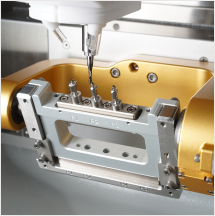

The dental industry is evolving quickly, making it increasingly important for laboratories to understand which technologies can improve production and help them remain competitive. Innovations such as AI dentistry, workflow automation, cloud collaboration, and broader digital transformation are changing how cases move from the dental practice to the laboratory and through manufacturing.
For laboratory owners and technicians, staying current does not mean adopting every new product. It means identifying technologies that support accurate restorations, consistent production, stronger communication, and sustainable growth.
How Digital Dentistry Is Changing Laboratory Production
Over the past decade, dental laboratories have gone through significant changes. Traditional workflows are gradually being replaced by modern systems that connect dental practices, laboratories, milling centers, software platforms, and manufacturing equipment.
Instead of relying only on physical impressions and manual production techniques, laboratories now use digital impressions, CAD/CAM software, cloud collaboration, artificial intelligence, and automated manufacturing technologies.
These technologies do more than speed up individual tasks. When properly integrated, they create a connected workflow in which case information can move more efficiently from scanning and design to production and quality control.
Why Digital Transformation Matters for Dental Laboratories
Digital transformation is sometimes viewed as simply purchasing new scanners, software, or milling machines. In practice, the process is much broader. It involves modernizing laboratory operations so that each production stage works more efficiently with the next.
Laboratories using connected digital workflows may see improvements in:
- Productivity
- Case consistency
- Communication
- Restoration accuracy
- Material utilization
- Workflow visibility
- Case tracking
- Turnaround time
- Customer satisfaction
- Scalability
The strongest results usually come from connecting systems rather than adding isolated devices. Laboratories evaluating modernization can explore digital solutions for dental laboratories that support scanning, design, manufacturing, production management, and future expansion.
How Axsys Dental Solutions Supports Laboratory Modernization
Axsys Dental Solutions works with dental professionals, laboratories, and milling centers by providing digital technologies that support efficient production, high-quality restorations, and optimized laboratory workflows.
A successful digital strategy should account for system compatibility, production requirements, technical support, training, scalability, and long-term workflow goals. Selecting technology without considering how it fits into the full production environment can create new bottlenecks instead of solving existing ones.
Digital Dentistry Trends Every Laboratory Should Watch
Innovation continues to shape laboratory dentistry. Several technologies are becoming more common because they help laboratories reduce repetitive work, improve consistency, and gain greater control over production.
How AI Dentistry Supports Laboratory Technicians
Artificial intelligence is one of the most promising developments in digital dentistry. In laboratories, AI can assist technicians with restoration design, case analysis, margin detection, workflow optimization, and quality review.
AI does not replace skilled technicians. It functions as a decision-support tool that can reduce routine work and offer recommendations based on large volumes of digital case data. The technician remains responsible for evaluating each restoration and confirming that the design meets clinical and production requirements.
Current and emerging AI applications may include:
- Preparation margin detection
- Restoration design suggestions
- Case prioritization
- Quality-control assistance
- Production-process analysis
- Predictive workflow management
- Restoration design optimization
- Digital case organization
- Scan inconsistency detection
As machine learning continues to develop, AI dentistry may help laboratories process more cases while maintaining consistent production standards.
How Automation Is Reshaping Dental Production
Automation is another major trend in laboratory dentistry. It reduces the need for manual handling during repetitive production stages while helping laboratories achieve more consistent results.
Laboratories currently use automation for:
- Milling operations
- Restoration nesting
- Material management
- Production scheduling
- Case routing
- Inventory monitoring
- Equipment diagnostics
- Quality inspection
- Digital workflow integration
- Manufacturing optimization
By allowing automated systems to handle repeatable tasks, skilled technicians can devote more time to complex restorations, esthetic decisions, quality verification, and cases that require professional judgment.
Laboratories considering a more automated production model can also review how automation in modern dental laboratories affects efficiency, staffing, and production consistency.
What a Fully Connected Digital Laboratory Includes
A digitally transformed laboratory connects the major stages of production instead of treating each device or software platform as a separate tool.
A connected workflow may provide:
- Faster communication with clinicians
- Digital case management
- Improved production scheduling
- Cloud collaboration
- Better case tracking
- Less paperwork
- Greater workflow transparency
- Improved scalability
- Better data management
- More predictable production results
Connected systems also make it easier for laboratories to adopt future technology without rebuilding the entire workflow. Open-architecture platforms can be especially valuable because they allow laboratories to use compatible scanners, design systems, manufacturing equipment, and management technologies from different providers.
Features That Matter in Modern Laboratory Technology
Modern digital dental technologies may include features such as:
- Compatibility with CAD/CAM systems
- High-speed digital processing
- Cloud collaboration
- AI-assisted restoration design
- Digital impression integration
- Manufacturing automation
- Digital quality verification
- Laboratory management systems
- Open-architecture compatibility
- Connectivity with multiple devices
These features can help minimize production delays while improving restorative consistency. However, the value of any platform depends on how well it integrates with the laboratory’s existing equipment, case volume, production goals, and technician workflow.
Because restoration design is central to many connected workflows, laboratories may also benefit from evaluating dental CAD software that supports efficient design, open integration, and consistent production.
Benefits of Working With Experienced Dental Technology Providers
A trusted technology provider can help laboratories evaluate more than equipment specifications. Long-term success also depends on implementation, compatibility, training, workflow design, support, and the ability to scale.
Greater Efficiency
Integrated technologies reduce unnecessary manual steps and help cases move through production more quickly.
Higher Restoration Accuracy
Digital workflows reduce many of the manual inaccuracies associated with analog transfers, physical impressions, and repeated model handling.
Faster Case Delivery
Digital case transfer eliminates shipping delays associated with physical impressions and allows laboratories to begin reviewing cases sooner.
Improved Collaboration
Clinicians and laboratory technicians can discuss digital cases using the same scans, models, photographs, and design information.
Increased Productivity
Automation and connected case management can increase production capacity while helping laboratories maintain consistent quality.
Scalability
Flexible digital systems allow laboratories to expand their capacity, add equipment, adopt new applications, and support a larger customer base as the business grows.
Where Digital Technologies Are Used in the Laboratory
Digital dental technologies can support a wide range of laboratory services, including:
- Crown manufacturing
- Bridge production
- Implant restorations
- Full-arch restorations
- Veneers
- Inlays
- Onlays
- Digital dentures
- Surgical guides
- Orthodontic appliances
- Smile design workflows
- Digital treatment planning
Because digital systems are flexible, laboratories can continue expanding their services without relying on a completely separate workflow for every restoration type.
How to Build a Future-Ready Dental Laboratory
Technological development is moving faster than ever. To remain competitive, laboratories need to evaluate new systems carefully and implement those that improve performance, case quality, and the customer experience.
1. Use Flexible Technologies
Flexible platforms make it easier to connect different scanners, CAD systems, manufacturing equipment, and laboratory management technologies. Open integration also reduces the risk of becoming dependent on one closed workflow.
2. Educate Staff Members
Even sophisticated technology cannot deliver its full value without trained technicians. Education helps teams adopt new workflows, use equipment correctly, troubleshoot common issues, and maintain consistent production standards.
Laboratories planning a transition should include digital dental training as part of the implementation process rather than treating education as an optional step after installation.
3. Strengthen Collaboration With Clinics
Digital communication makes it easier to exchange information, discuss preparation details, review scans, and address questions before a case reaches manufacturing.
Stronger cooperation with clinics can reduce misunderstandings, improve restoration consistency, and help laboratories build more reliable customer relationships.
Common Technology Adoption Mistakes
Digital transformation can create substantial value, but laboratories may see limited results when implementation is rushed or poorly planned.
Common mistakes include:
- Purchasing equipment without an integration plan
- Selecting incompatible or closed systems
- Automating a workflow that has not been standardized
- Assuming AI can replace technical judgment
- Underinvesting in staff education
- Ignoring cybersecurity and access controls
- Failing to measure production bottlenecks
- Choosing a provider based only on equipment price
- Overlooking technical support and maintenance
- Implementing technology without clinician input
Before investing, laboratories should review case volume, turnaround times, remake rates, machine utilization, staffing, and production delays. These measurements help identify which technologies are most likely to improve the existing workflow.
Why Laboratories Work With Axsys Dental Solutions
Choosing the right technology partner helps laboratories implement new systems with greater confidence and avoid purchasing equipment that does not fit their production environment.
Laboratories work with Axsys Dental Solutions for:
- Advanced digital technologies
- Reliable workflow integration
- Solutions designed to improve laboratory efficiency
- Support for AI-assisted workflows
- Compatibility with CAD/CAM systems
- Scalable technology platforms
- Industry experience
- Customer support
- Training and implementation guidance
- Future-ready digital solutions
The right technology partner should help a laboratory evaluate its current workflow, identify integration requirements, train staff, and plan for future capacity rather than simply supplying equipment.
Preparing Your Laboratory for the Next Stage of Digital Dentistry
The future of laboratory dentistry will continue to be shaped by AI dentistry, automation, digital transformation, and connected manufacturing. These technologies can help laboratories increase productivity, reduce errors, improve communication, and deliver high-quality restorations more consistently.
Staying current does not require adopting every new trend at once. A practical approach begins with reviewing the existing workflow, identifying production limitations, selecting compatible systems, and preparing technicians through education and support.
To discuss AI-assisted workflows, CAD/CAM integration, automation, training, or scalable laboratory technologies, contact Axsys Dental Solutions or call (855) 687 7941.